
Get Airport Info via Airports by Filter API for Seattle-Tacoma International Airport
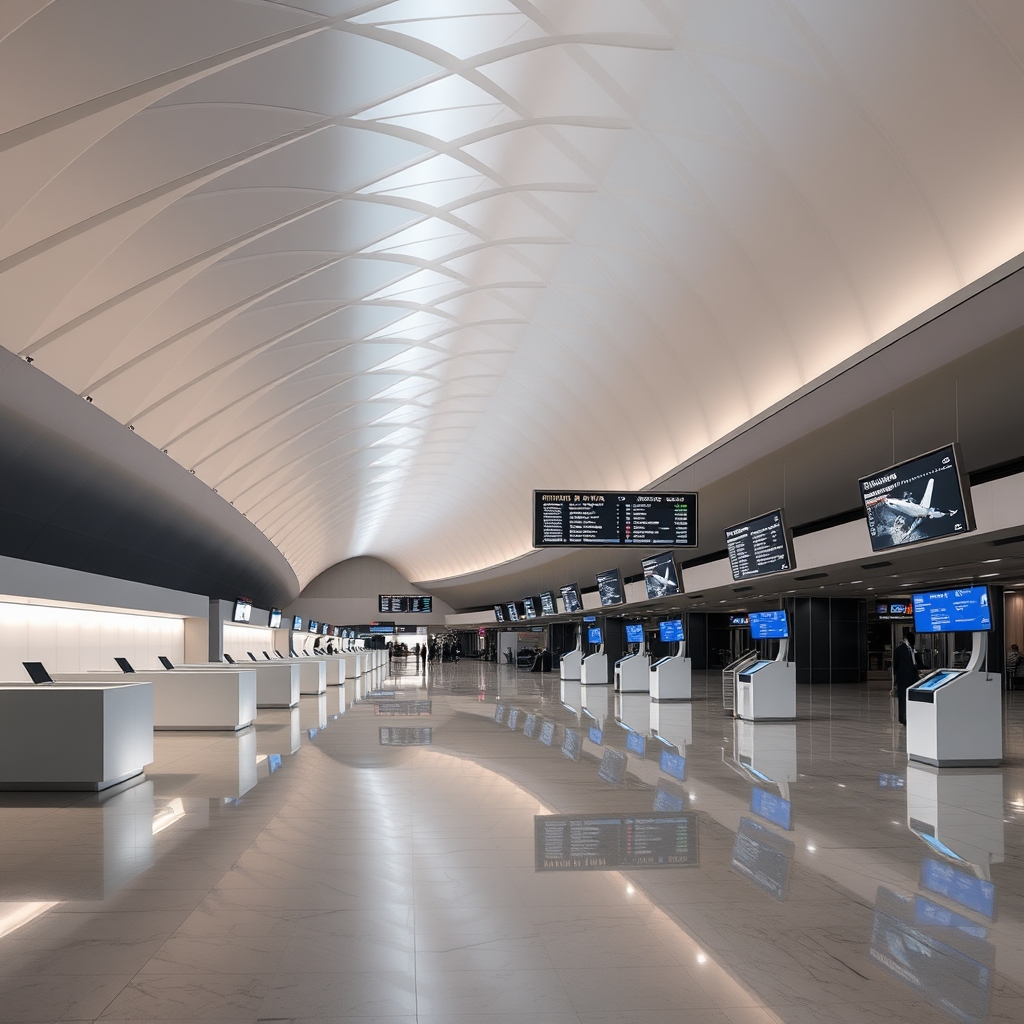
Comprehensive Overview of Seattle-Tacoma International Airport
Introduction to Seattle-Tacoma International Airport
Seattle-Tacoma International Airport (SEA), located in SeaTac, Washington, serves as a major gateway for air travel in the Pacific Northwest. Situated approximately 14 miles south of downtown Seattle, it plays a pivotal role in connecting the region to domestic and international destinations. The airport is strategically positioned between the bustling cities of Seattle and Tacoma, making it a vital hub for both business and leisure travelers.
Historically, Seattle-Tacoma International Airport has undergone significant transformations since its inception. Originally opened in 1944 as Sea-Tac Airport, it was designed to accommodate the growing demand for air travel in the post-World War II era. Over the decades, the airport has expanded its facilities and services, adapting to the evolving needs of passengers and airlines. Major renovations and expansions took place in the 1960s, 1990s, and most recently in the 2010s, enhancing its capacity and modernizing its infrastructure.
In terms of passenger traffic, Seattle-Tacoma International Airport has seen remarkable growth. In 2019, the airport served over 50 million passengers, making it the 8th busiest airport in the United States. Despite the challenges posed by the COVID-19 pandemic, the airport has shown resilience and is on a path to recovery, with projections indicating a steady increase in passenger numbers as travel demand rebounds. The airport's growth trend is supported by its expanding network of airlines and destinations.
Seattle-Tacoma International Airport is served by more than 30 airlines, offering flights to over 90 domestic and 25 international destinations. This extensive network includes major carriers such as Alaska Airlines, Delta Air Lines, and Southwest Airlines, as well as international airlines like British Airways, Air Canada, and Japan Airlines. The airport's diverse offerings make it a crucial link for travelers heading to Asia, Europe, and beyond.
The airport boasts key infrastructure features that enhance its operational efficiency. Seattle-Tacoma International Airport has three passenger terminals—North, South, and Central—each equipped with modern amenities and services. The airport's runways are designed to accommodate a wide range of aircraft, with the longest runway measuring 10,000 feet. Additionally, SEA is known for its commitment to sustainability, featuring eco-friendly initiatives and facilities that promote environmental stewardship.
The economic impact of Seattle-Tacoma International Airport on the region is substantial. It is estimated that the airport contributes over $10 billion annually to the local economy, supporting thousands of jobs in aviation, tourism, and related industries. The airport also plays a significant role in attracting tourists to the Pacific Northwest, with its proximity to iconic attractions such as Mount Rainier, the Space Needle, and the vibrant Seattle waterfront.
However, Seattle-Tacoma International Airport faces unique challenges. The airport's location in a densely populated area presents noise and congestion issues, prompting ongoing discussions about expansion and operational improvements. Additionally, the airport must navigate the complexities of weather patterns typical of the Pacific Northwest, which can impact flight schedules and operations.
Tracking flight data at Seattle-Tacoma International Airport is particularly valuable for various stakeholders, including airlines, travel agencies, and passengers. Real-time data on flight arrivals and departures, delays, and cancellations can significantly enhance operational efficiency and improve the overall travel experience. By leveraging accurate and timely flight information, businesses can make informed decisions that optimize their operations and customer service.
Why Choose FlightLabs for Seattle-Tacoma International Airport Data?
FlightLabs stands out as the premier provider of aviation data APIs, offering comprehensive coverage of Seattle-Tacoma International Airport. The API delivers real-time flight tracking, historical data, and detailed airport information, making it an invaluable resource for businesses and developers.
One of the key advantages of using FlightLabs is the accuracy and timeliness of the data provided for Seattle-Tacoma International Airport. The API captures real-time flight information, ensuring that users have access to the latest updates on flight statuses, gate changes, and delays. This level of precision is crucial for airlines and travel agencies that rely on up-to-the-minute data to manage their operations effectively.
FlightLabs also captures unique aspects of Seattle-Tacoma International Airport's operations, including specific data points such as weather conditions, runway usage, and terminal information. This comprehensive data set allows users to gain deeper insights into the airport's performance and operational trends.
Moreover, FlightLabs provides special data points for Seattle-Tacoma International Airport, including:
- Detailed flight schedules and routes
- Historical flight data for trend analysis
- Delay predictions based on historical performance
- Airport-specific weather conditions
JSON Response Examples for Seattle-Tacoma International Airport
Real-time Flight Tracking
{
"success": true,
"data": {
"flight": {
"iata": "AS123",
"icao": "ASA123",
"number": "123",
"status": "en-route",
"departure": {
"airport": "SEA",
"scheduled": "2024-03-20T10:00:00Z",
"actual": "2024-03-20T10:05:00Z",
"terminal": "N",
"gate": "A12"
},
"arrival": {
"airport": "LAX",
"scheduled": "2024-03-20T13:15:00Z",
"estimated": "2024-03-20T13:20:00Z",
"terminal": "B",
"gate": "45A"
},
"position": {
"latitude": 39.8729,
"longitude": -98.7372,
"altitude": 35000,
"speed": 495,
"heading": 270
}
}
}
}
Airport Information
{
"success": true,
"data": {
"airport": {
"iata": "SEA",
"icao": "KSEA",
"name": "Seattle-Tacoma International Airport",
"location": {
"lat": 47.4502,
"lon": -122.3088,
"city": "Seattle",
"country": "United States"
},
"timezone": "America/Los_Angeles",
"terminals": [
"North",
"South",
"Central"
],
"runways": [
{
"length_ft": 10000,
"width_ft": 150,
"surface": "asphalt",
"designator": "16C/34C"
}
],
"weather": {
"temp_c": 15,
"visibility_km": 10,
"wind": {
"speed_kts": 10,
"direction_deg": 270
}
}
}
}
}
Flight Schedule
{
"success": true,
"data": {
"schedules": [
{
"flight_number": "DL456",
"departure": {
"airport": "SEA",
"scheduled": "2024-03-20T08:00:00Z",
"terminal": "S"
},
"arrival": {
"airport": "SFO",
"scheduled": "2024-03-20T14:15:00Z",
"terminal": "1"
},
"aircraft": {
"type": "Boeing 737",
"registration": "N123DL"
},
"airline": {
"name": "Delta Air Lines",
"iata": "DL"
}
}
]
}
}
Practical Business Use Cases for Seattle-Tacoma International Airport Data
The data provided by FlightLabs for Seattle-Tacoma International Airport can be leveraged in various business scenarios. Here are some practical use cases:
1. Airline Operations Management
Airlines can utilize real-time flight data to optimize their operations at Seattle-Tacoma International Airport. By monitoring flight statuses, gate assignments, and delays, airlines can make informed decisions regarding crew scheduling, aircraft maintenance, and passenger communication.
2. Travel Agency Solutions
Travel agencies can enhance their customer service by integrating FlightLabs data into their booking platforms. Providing clients with real-time updates on flight statuses and potential delays can significantly improve the travel experience and build customer loyalty.
3. Airport Management and Planning
Airport authorities can analyze historical flight data to identify trends in passenger traffic and operational efficiency. This information is crucial for planning future expansions, improving facilities, and enhancing overall airport services.
4. Weather Impact Analysis
Businesses in the aviation sector can use weather data from FlightLabs to assess its impact on flight operations. Understanding weather patterns at Seattle-Tacoma International Airport can help airlines and airports prepare for adverse conditions and minimize disruptions.
5. Data-Driven Marketing Strategies
Marketing teams can leverage flight data to target specific demographics based on travel patterns. By analyzing passenger flow and popular routes, businesses can tailor their marketing campaigns to attract travelers to Seattle and the surrounding areas.
Frequently Asked Questions
What types of data can I access through the FlightLabs API for Seattle-Tacoma International Airport?
The FlightLabs API provides access to real-time flight tracking, historical flight data, airport information, flight schedules, and delay predictions specifically for Seattle-Tacoma International Airport.
How accurate is the flight data provided by FlightLabs?
FlightLabs is known for its accuracy and timeliness, ensuring that users receive the latest updates on flight statuses, delays, and cancellations for Seattle-Tacoma International Airport.
Can I integrate FlightLabs data into my existing applications?
Yes, FlightLabs offers a RESTful API that can be easily integrated into various applications, allowing businesses to access comprehensive aviation data seamlessly.
What are the benefits of using real-time flight data?
Real-time flight data enhances operational efficiency, improves customer service, and enables data-driven decision-making for airlines, travel agencies, and airport authorities.
Is historical flight data available for analysis?
Yes, FlightLabs provides historical flight data that can be used for trend analysis, operational assessments, and strategic planning.
Conclusion
In summary, Seattle-Tacoma International Airport is a vital hub for air travel in the Pacific Northwest, with significant economic and tourism impacts on the region. The airport's extensive network of airlines and destinations, coupled with its modern infrastructure, makes it a key player in the aviation industry.
Utilizing the FlightLabs API for accessing data related to Seattle-Tacoma International Airport offers numerous benefits. The comprehensive coverage, accuracy, and timeliness of the data empower businesses to make informed decisions, optimize operations, and enhance customer experiences. By leveraging real-time flight tracking, historical data, and airport-specific insights, stakeholders can gain a competitive edge in the aviation sector.
As the aviation industry continues to evolve, the importance of accurate and comprehensive data will only grow. FlightLabs stands out as the superior choice for accessing the most complete and accurate data for Seattle-Tacoma International Airport. By making frequent API calls, businesses can ensure they have the most up-to-date information, leading to better decision-making and improved operational outcomes.
In the future, the integration of FlightLabs data with emerging technologies and analytics platforms will unlock even greater possibilities for innovation in the aviation industry. Embracing data-driven strategies will be essential for navigating the complexities of air travel and meeting the demands of modern travelers.